What to do after a house fire
Go back in only when the fire department says it is safe. Then: call your insurer, photograph everything before cleanup, keep the furnace off until it is checked, and get the house secured and the water from the firefight dried. The rest can wait a day; those can't.
The first day
- Wait for the all-clear. The fire department decides when the building is safe. Ask whether utilities were shut off and who can turn them back on.
- Call your insurer and ask what they need: photos, an inventory, receipts for a hotel and meals.
- Photograph and video every room before anything is cleaned or thrown out.
- Secure the house. Broken windows, a vented roof and forced doors let in weather and people. A restoration company can board up and tarp.
- Collect what you need: medicine and documents first.
What not to do
- Don't run the furnace until it is checked. It can spread soot into clean rooms.
- Don't wipe soot off walls or upholstery with water. It smears and sets.
- Don't eat food that was near the fire, including canned goods that got hot.
- Don't sign a contract on the spot. Read it, and read anything that mentions your insurance. Forms to read twice.
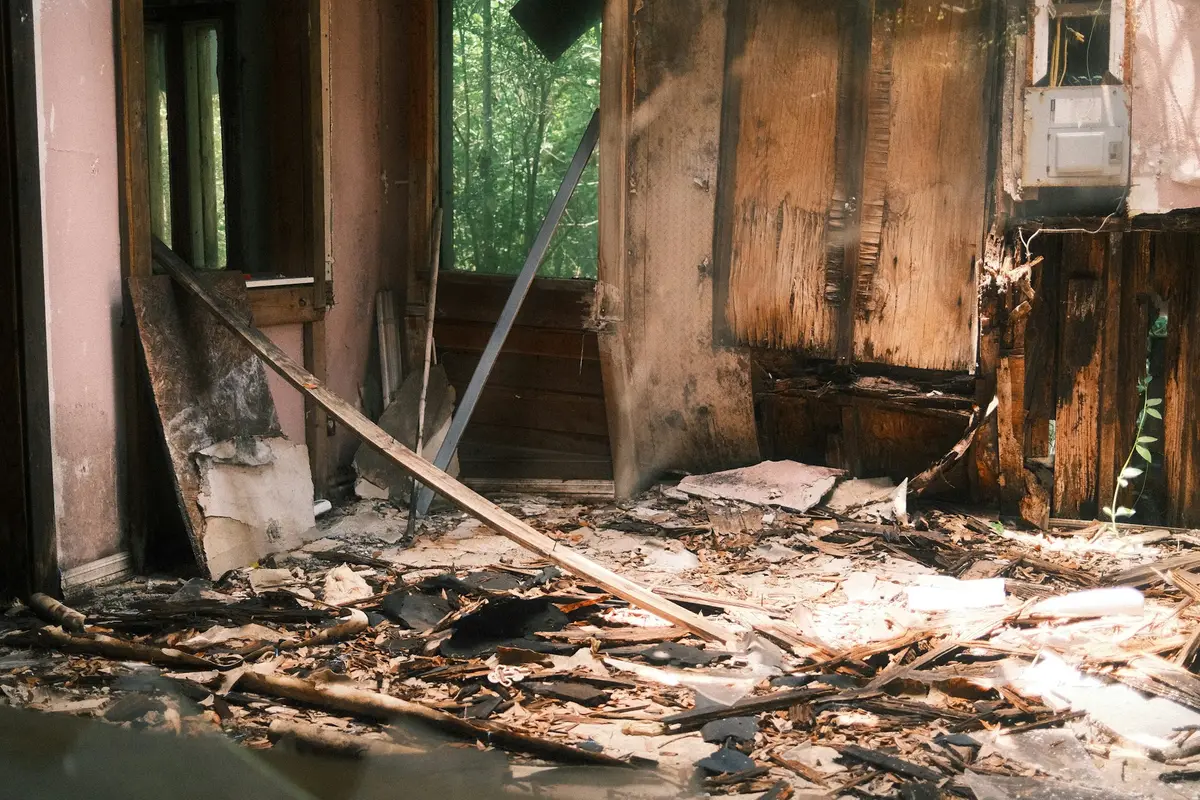
Winter fires
The NFPA reports that home heating fires peak from December through February. A fire then brings a second risk: a house without heat. Over 2016-2025 Manchester Airport averaged 26.4 days a year that never got above freezing. If the house will sit, ask the restoration company to drain the plumbing or keep temporary heat running.
What restoration involves
It starts with drying the water from the firefight and removing what burned. Then comes soot cleanup. Then the rebuild. Fixr puts the whole job at $3,000 to $40,000, with an $11,900 national average. Fire and smoke damage restoration.
Questions Manchester homeowners ask
What should I do first after a fire?
Don't go back in until the fire department says it is safe. Don't turn on the furnace or air handler, which spreads soot through the ducts. Photograph everything before cleanup, call your insurer, and secure the house against weather. Soot is acidic and keeps etching surfaces, so cleaning should start within days.
Who pays for a hotel after a fire?
Many homeowners and renters policies include additional living expenses when the home can't be lived in. Ask your insurer what is covered and keep every receipt.
Can the restoration company deal with my insurer?
It can share its photos and invoices with your adjuster. The claim itself is between you and your insurer. Be cautious with any form that assigns your benefits to the company.